The Marshes Of Southern Iraq.

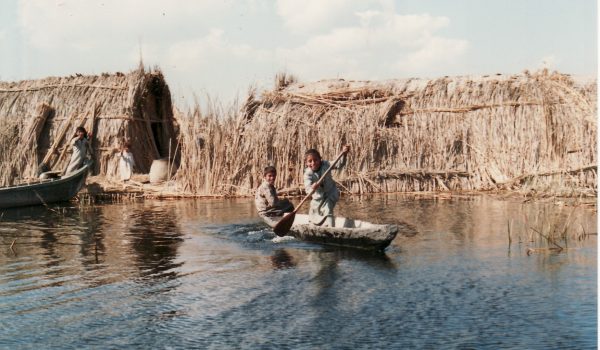
In the delta between the two great rivers of Mesopotamia is the triangle of marshlands that lie between the towns of Nasiriyah, Basra and Amara. In the central marshes, the waters of these two rivers meet near the town of Qurnah and run together into the Shatt al Arab. The…

1 Comment

Marshes of Southern Iraq

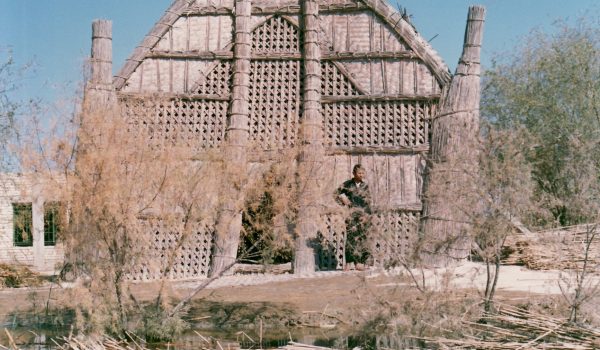
The boatman led us to the façade of a completed mudif, where two large reed columns flanked the entrance, narrowing at the top to form a roof. Tower-like structures acted as buttressing to either side of the building, and tapered at the top where the roof sloped inward towards the…

0 Comments
The Ziggurat of Ur
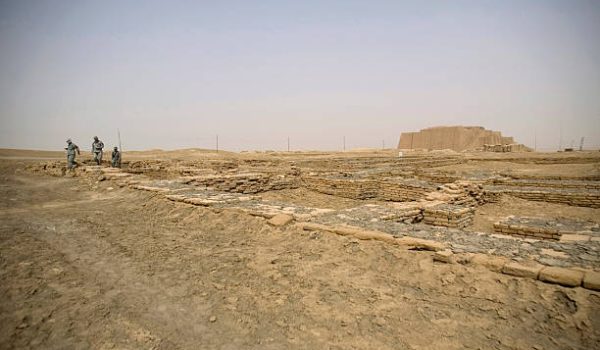
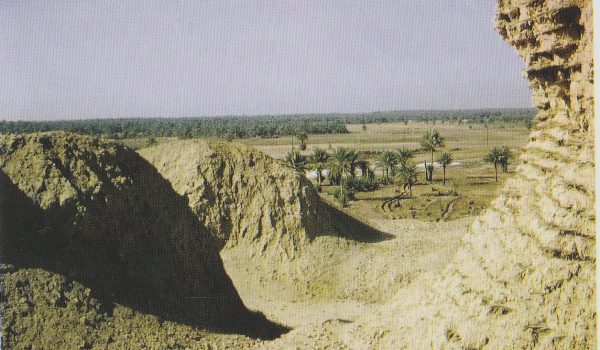
DHI QAR, IRAQ - MAY 21, 2008: The Coalition Forces have one of their base situated in Ur archeological site, where Abraham was supposedly born. On the site there are is an old temple called the Ziggurat dating back to 2100 BC, the remains of Abraham's house, 7000-year-old graves, and many other things that have not been excavated yet. The American base is a regular target for the insurgents, and mortar attacks are frequent. In April 2008, a mortar landed only a few meters from the precious Ziggurat. Also, the heavy tanks and heavy artillery vibrations are shaking the fundations of these fragile monuments made of mud. (Photo by Veronique de Viguerie/Getty Images)

The Ziggurat of Ur

In 1988 along with some colleagues and an archaeologist friend I travelled to the south of Iraq to see the ancient site of Ur. Part of the Ziggurat that stills stands was generally out of bounds because of military security but countrywide knowledge of the Irish Managed Hospital in which…

0 Comments

Ziggurat of Ur

As we walked around the deserted area surrounding the Ziggurat of Ur the keeper pointed out the rough pebble- strewn depressions left by Woolley's excavation team. It was incredible to think that this grey barren soil had once yielded such colorful riches. Amongst the 2,500 graves of post Akkadian times,…

0 Comments

Iraqi Hospitality/ Visit to Mosul

We arrived in Mosul at daybreak and walking out under the grand façade of the station emerged into the streets of the third largest city in Iraq. Kurdish women were already out and about in the streets dressed in their traditional glittering sequined robes looking not unlike young revelers coming…

0 Comments

Mosul, Iraq

Myriam insisted we come to see her parents house which was built on land to one side of her grandparents house. There we saw the cloches where her father grew flowers, predominantly roses. She guided us around the flower beds all the while chatting away in Arabic. She recounted stories…

0 Comments

Assyrian Reliefs

I first learned of the existence of the Assyrian reliefs when I lived in Iraq in the late 1980's and had the privilege of visiting the site of Nimrud, named after Nimrod the mighty hunter said to be father of the Assyrian God Ashur. Some of the palace wall decorations…

0 Comments

Babylon

One morning after Christmas when the winter sun shone with the warmth of an Irish summer, myself and a nursing colleague named Mary took a taxi south of Baghdad to the town of al-Hillah. Relieved that the taxi driver proved competent in negotiating the kamikaze city traffic we sat back…

0 Comments
Damascus
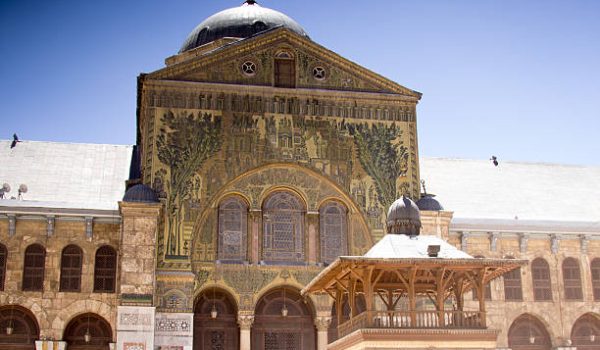
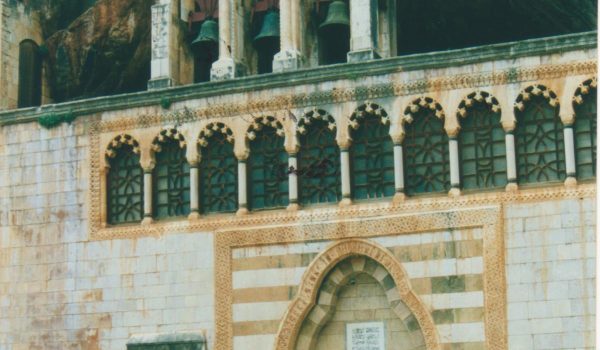
Picture of the Umayyad mosque, It is one of the oldest mosques in Damascus.

Damascus

Whiling away the time in Budapest Airport in transit to Damascus I overheard a young American male pontificating to his friend about the restrictions on females in Muslim societies. Opposite us sits a Muslim woman her head covered in the hijab, breast feeding her baby daughter while unselfconsciously exposing her…

0 Comments

Damascus part 2

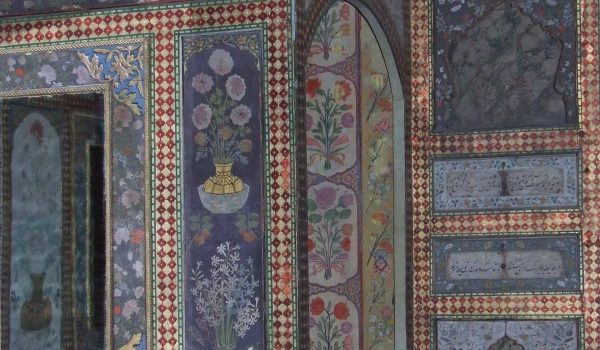
A little north of the Umayyad Mosque lies the Sayyida Ruqayya Mosque dedicated to the daughter of the martyred Hussein. Renovated in 1985 in the modern Persian style it is elaborately decorated and attractive to those of us who love glitter, much of the mosaic work is in glass and…

0 Comments

Palmyra

Travelling alone as a woman in the Middle East I have enjoyed using public transport for the contact it afforded me with local people who I have always found most courteous and helpful. On the bus journey from Damascus to Palmyra passengers were provided with a plastic bag containing two…

0 Comments

Imperial Palmyra

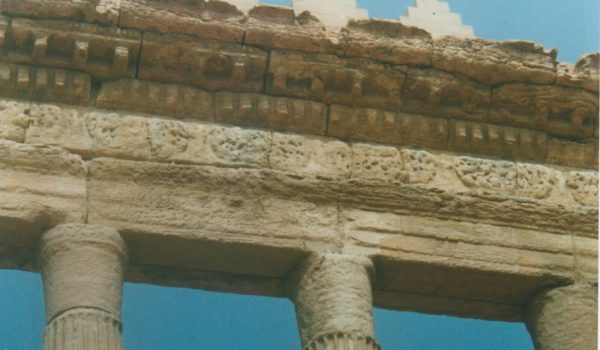
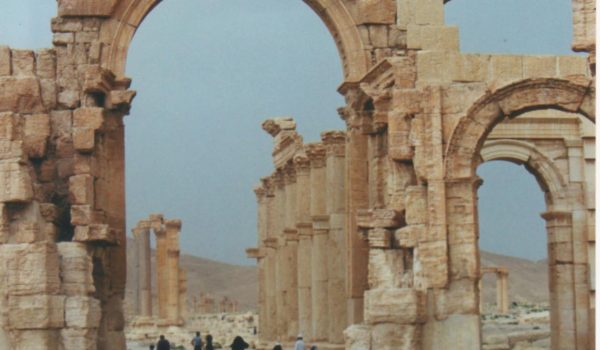
Prior to becoming a Roman Province in 64 BCE Palmyra is thought to have been organised in the Greek style with a Senate and an Assembly, her architecture reflected Greco-Parthian influences from Babylon and Seleucia. Under Roman rule it fell under the domination of the Roman legate at Antioch with…

0 Comments

Tombs of Palmyra

I enjoyed a quick visit to the small museum where the young attendant attempted to give me an unwelcomed guided tour in rapid unintelligible English. Although he was smiling and pleasant it was more than I could endure and I politely made it clear that I wanted to be left…

0 Comments

Hama and a Crusader Castle

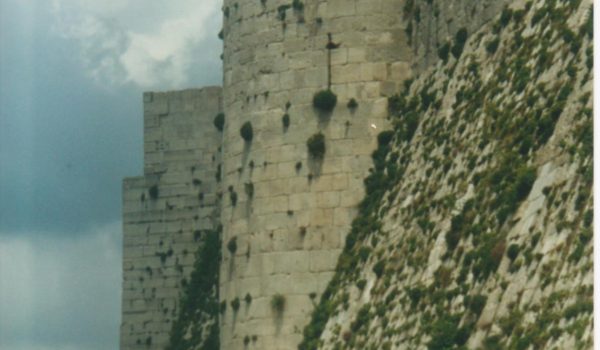
A local bus took me from Palmyra to Homs in transit to Hama from where I would visit Krac des Chevaliers, the most famous of Crusader castles. As I waited for the bus to leave for Hama I observed a Bedouin woman in her thirties with a brood of young…

0 Comments

Aleppo

In the evening I boarded a bus run by a company called al-Ryan and journeyed to Aleppo. I stayed the night in the rather decrepit Baron Hotel. The hotel was established in 1909 by two Armenian brothers who like countless others of their countrymen had fled the 1890 massacres perpetuated…

0 Comments

Around Aleppo

I wandered around the Aleppo souk looking for the Bimaristan Argan, a former asylum mentioned in my guide book. I found it hidden away in a corner and entered through a small door into a courtyard filled with the welcoming gurgle of a water fountain. Inside the building clustered around…

0 Comments

Tombs of Istanbul

'Stamboul is submerged in tombs, everyone loves them', wrote Le Corbusier on his visit to the East in the early part of the 20th century. This was not the case in the early centuries of Ottoman rule where to be buried intra muros was the reserve of the Sultan and…

0 Comments

Iznik Tiles

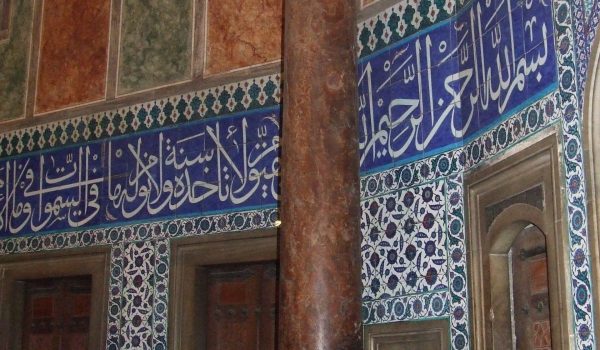
The ancient art of making pottery out of clay which is then fired to create durable vessels and tiles is a practice that goes back to prehistoric times. In Anatolia household pottery and architectural tile decoration have been found that date back to the 7th millennium BCE. The art of…

0 Comments

Baalbek

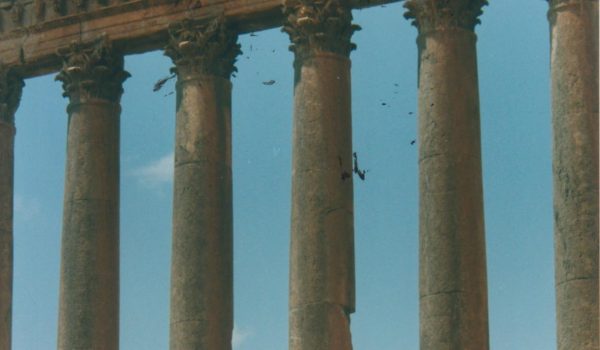
In Baalbek I easily located the Palmyra Hotel which overlooked the ancient Roman ruins. It was full of faded grandeur with threadbare oriental carpets and enviable lamps, its old colonial atmosphere resonating with its equally old retainers. It was a delightful place in which to stay. A Hezbollah stronghold during…

0 Comments

Byblos and the Cave of Adonis and Astarte

On the bus to Byblos I struck up a conversation with a young woman who was travelling with her eleven year old brother. She was a student of Public Health and Development Sciences and spoke fluent English, all courses at University level being taught in that language. She told me…

0 Comments

A walk before breakfast in Byblos

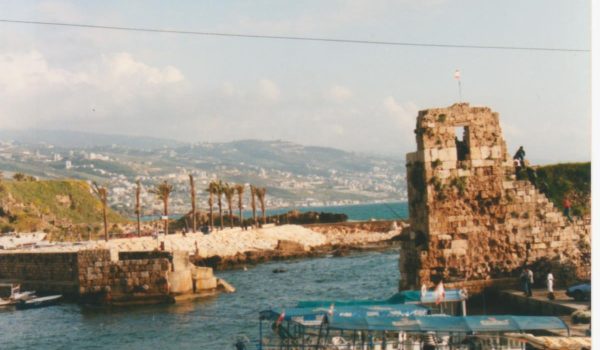
Jbail, which means mountain, was named Pulpos by the Greeks who found Egyptian papyrus in this area. It eventually became Byblos from which we get the words book and Bible. Astarte, lover of Adonis, was worshipped here for over 3,000 years and according to legend it was here that Isis…

0 Comments

Tripoli

Tripoli, or three cities was named by the Greeks as it was the capital of Sidon, Tyre and Arwad in Phoenician times. It lay to the north of Byblos and a bus left me close to the port area where I found rather dingy accommodation that was in keeping with…

0 Comments

Wind Towers

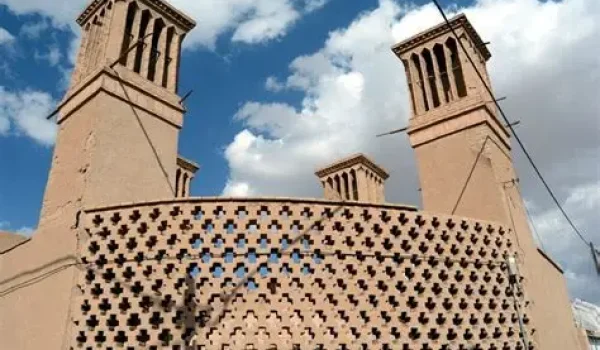
Wind Towers or wind catchers, known as Badgir in Persian, are examples of indigenous architecture that incorporate a natural ventilation system, which can also be used as refrigeration. In Iran, they exist mainly in the smaller form called shish-khan which is purely a ventilation system. They are also found along…

0 Comments

Ancient Textiles

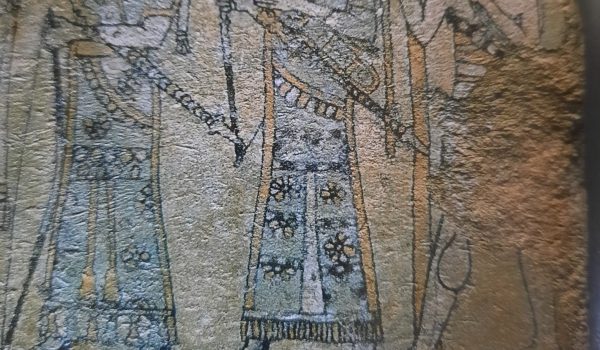
Textiles are everywhere, our homes are full of them and we wear them constantly, they have a place in most aspects of our lives and since pre-historic times economies have depended on them. Textiles were such an important part of the economy of the Sumerians that the women and girls…

0 Comments